BYD Sealion 7 RWD vs AWD: Is the Extra Cost Worth It?
Choosing a rear-wheel-drive or all-wheel-drive Sealion 7 is a question about your use and the actual offer, not a requirement to buy the fastest version. Drive layout can arrive with other changes in battery or equipment. Separate those differences before deciding what the additional price is buying.
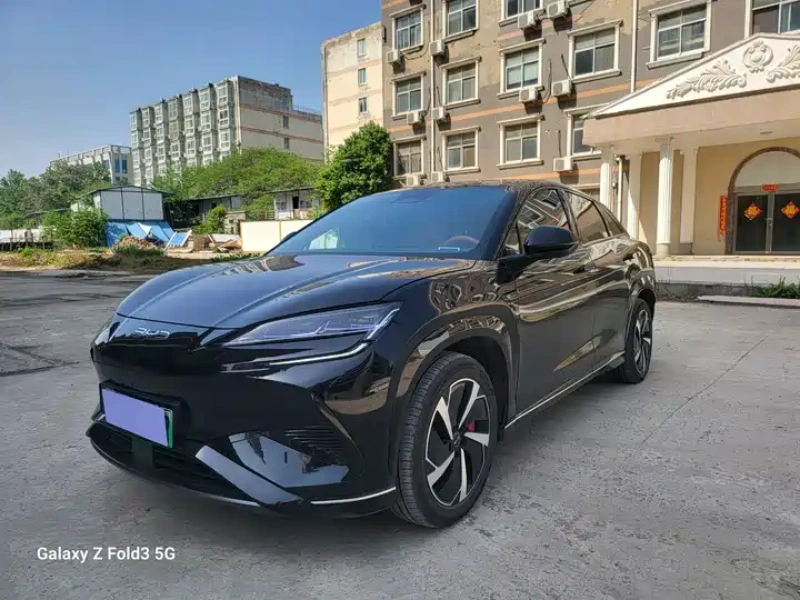
Break the trim premium into real differences
Record the original market, production year, battery, drive layout, wheels and major equipment on both candidates. A China-market version and an overseas trim may group those items differently. Do not attribute every price difference to the second driven axle. If one car is newer or in better condition, show that separately so the comparison remains meaningful.
Describe the traction need accurately
Consider the roads you use, seasonal conditions and whether steep or loose surfaces are routine. AWD does not remove tyre limitations or make an ordinary road vehicle an off-road vehicle. It also does not establish a shorter braking distance. Use suitable tyres and safe driving as the foundation, then ask whether the extra drive capability addresses a real recurring requirement.
For the related checks, read BYD Sealion 7 Specifications: Battery, Size and Market.
Compare comfortable daily behaviour
Have a competent driver demonstrate gentle pull-away, normal overtaking within legal limits and low-speed parking. Assess ride comfort on the actual wheel and tyre combination. A quick acceleration demonstration can obscure the behaviour you will use far more often. For used cars, investigate unusual vibration, tyre wear or drive-system warnings rather than accepting them as normal for a powerful EV.
Budget the complete versions
Obtain vehicle-specific tyre, insurance and service quotations where relevant, and compare the energy evidence on the same route assumptions. Do not promise that one layout is always cheaper to own. A used AWD car with unresolved faults and a well-prepared RWD car are not equal starting points. Decide whether verified equipment and capability justify the remaining premium after those differences are accounted for.
What to request before agreeing the purchase
- An itemised version comparison rather than two translated trim names.
- A clear description of the route or equipment requirement behind AWD.
- Comparable inspection findings and ownership estimates.
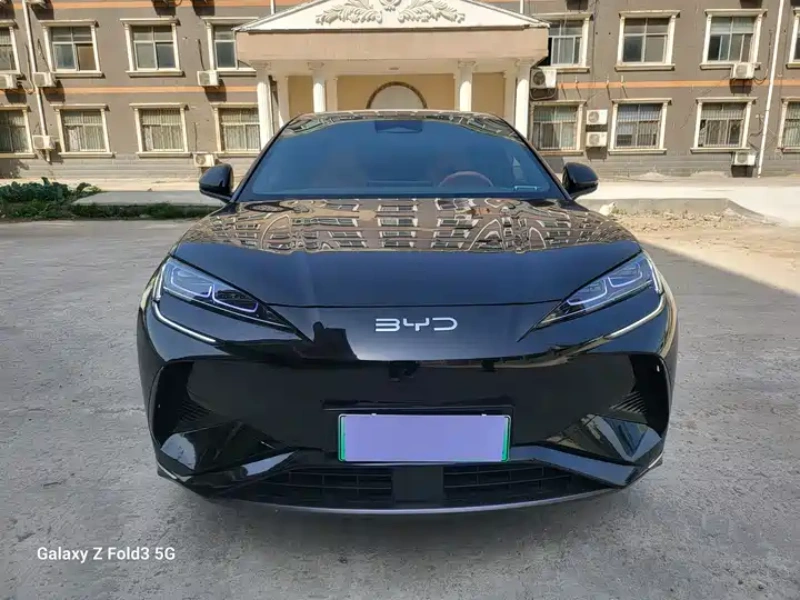
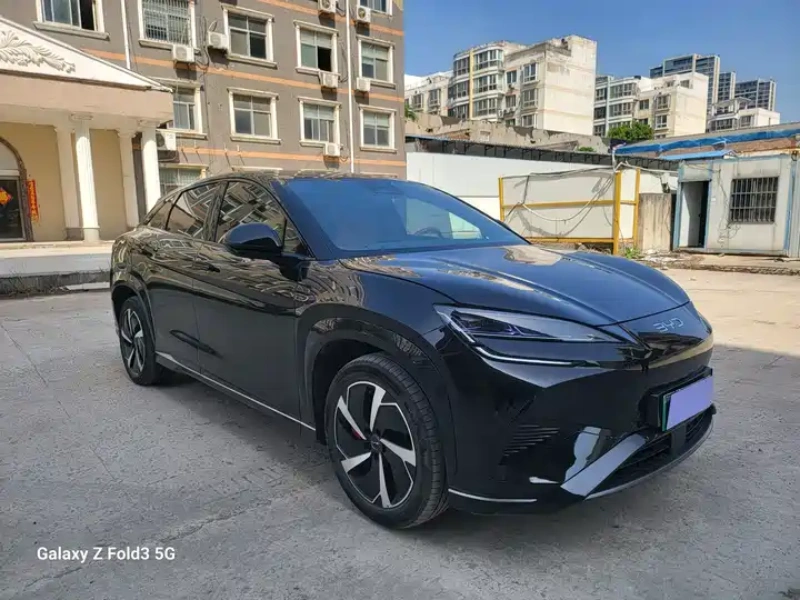
The buying decision
RWD can be the sensible choice when it meets your route and equipment needs. AWD deserves the premium when its verified benefits matter to you and its complete ownership cost fits the budget. Neither choice substitutes for inspecting the individual car.
Questions buyers ask
Does AWD make winter tyres unnecessary?
No. Suitable tyres, conditions and driving remain essential; AWD does not overcome braking or grip limits.
Are RWD and AWD battery specifications always identical?
Do not assume so. Check the exact market, year and trim before comparing range or charging claims.