The Middle East is becoming an increasingly attractive market for the BYD Sealion 7. Strong demand for premium electric SUVs, improving charging infrastructure in countries like the UAE and Saudi Arabia, and growing interest in Chinese EVs have created good opportunities for importers and fleet operators.
However, successfully importing vehicles into the region requires proper understanding of customs procedures, homologation requirements, and documentation standards. This guide outlines the key steps and considerations for 2026.
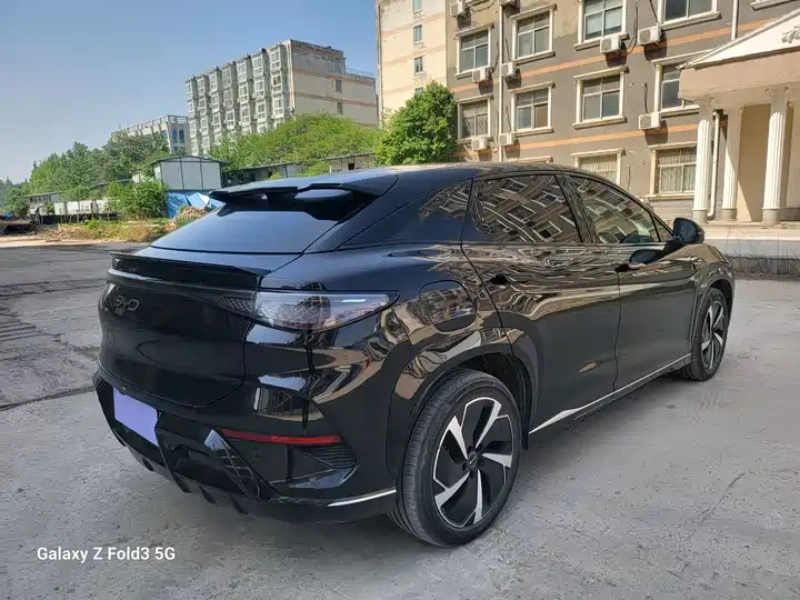
Why the Middle East Market is Growing for Sealion 7
Several factors are driving interest in the Sealion 7 across the GCC countries:
- Government push toward electric mobility (especially in UAE and Saudi Arabia)
- High disposable income and strong demand for premium SUVs
- Improving public charging infrastructure in major cities
- Competitive pricing of Chinese EVs compared to European and American alternatives
- Good suitability for highway driving and hot climate conditions
Key Regulatory Requirements in the Middle East
1. GCC Standardization (Gulf Technical Regulation)
Most GCC countries (UAE, Saudi Arabia, Qatar, Kuwait, Oman, Bahrain) follow the Gulf Technical Regulation for vehicles. Vehicles must comply with specific safety and environmental standards to be legally registered.
2. SASO Certification (Saudi Arabia)
Saudi Arabia has its own Saudi Standards, Metrology and Quality Organization (SASO) requirements. Vehicles often need SASO certification or compliance with SASO technical regulations before customs clearance.
3. Country-Specific Rules
While GCC standards provide a baseline, individual countries may have additional requirements, especially regarding emissions, safety features, and documentation language (Arabic translations are often needed).
Step-by-Step Import Process for BYD Sealion 7
- Pre-shipment Preparation in China
Obtain necessary export documents from the manufacturer and exporter, including Certificate of Conformity (CoC), invoice, packing list, and bill of lading. - Shipping to Destination Port
Most vehicles arrive at major ports such as Jebel Ali (Dubai), Dammam (Saudi Arabia), or Doha (Qatar). Shipping time from China is typically 20–35 days. - Customs Clearance
Submit all required documents to local customs. Pay applicable import duties and VAT. Requirements vary by country (UAE generally has lower duties for EVs in some cases). - Homologation / Type Approval
For first-time imports or new models, vehicles may need to go through a homologation process to prove compliance with local technical standards. - Registration & Number Plates
After clearance and compliance, the vehicle can be registered with the local traffic authority (e.g., RTA in Dubai, or equivalent in other countries).
Required Documents (Typical)
- Commercial Invoice
- Bill of Lading / Air Waybill
- Packing List
- Certificate of Origin
- Certificate of Conformity (CoC) from manufacturer
- Vehicle specifications and technical data sheet
- Proof of compliance with GCC / SASO standards (when required)
- Insurance documents (sometimes required for clearance)
- Arabic translation of key documents (often mandatory)
Common Challenges & How to Avoid Them
- Incomplete or incorrect documentation — Work with an experienced exporter who understands Middle East requirements.
- Homologation delays — Plan ahead. Some countries require prior approval before shipping.
- Language and translation issues — Ensure key documents are properly translated into Arabic when required.
- Changing regulations — EV import rules in the region are evolving quickly. Use up-to-date information.
- Local agent requirements — Some countries require a local sponsor or agent for import and registration.
Typical Timeline
From order confirmation in China to having the vehicle registered in the Middle East, the full process usually takes 6 to 10 weeks, depending on the country and whether homologation is required.
Need help importing Sealion 7 into the Middle East?
Panda Used Cars provides full export support including proper documentation, pre-shipment inspection, and coordination with freight forwarders experienced in Middle East routes.
How Panda Used Cars Supports Middle East Buyers
We work with many buyers importing into the UAE, Saudi Arabia, Qatar, and other GCC countries. Our support typically includes:
- Proper export documentation prepared according to destination requirements
- Pre-shipment 200+ point inspection with detailed photos and videos
- Coordination with reliable shipping lines serving Middle East ports
- Guidance on current homologation and certification requirements
- Transparent communication throughout the process
While we do not handle local customs clearance and registration on the destination side, we make sure all export-side documents are complete and accurate to minimize delays.
Final Advice
Importing the BYD Sealion 7 into the Middle East is very achievable in 2026, especially with growing government support for electric vehicles. Success depends heavily on proper documentation, understanding local requirements, and working with an exporter who has experience shipping to the region.
Early planning and clear communication with both your exporter and local import agent are the keys to a smooth process.
Get a Quote for Middle East Delivery
Tell us your preferred configuration and destination country (UAE, Saudi Arabia, Qatar, etc.). We will provide current pricing and documentation guidance.
Contact Our Export Team