When exporting electric vehicles to hot climate regions, battery safety and thermal performance become critical factors. The BYD Blade Battery (LFP chemistry) used in the Sealion 7 has gained significant attention for its superior safety characteristics compared to traditional NMC (Nickel Manganese Cobalt) batteries found in many competing EVs, including some Tesla models.
This article explains why the Blade Battery performs particularly well in high-temperature environments and during long-distance ocean shipping — two major concerns for buyers in Africa, the Middle East, and parts of Asia.
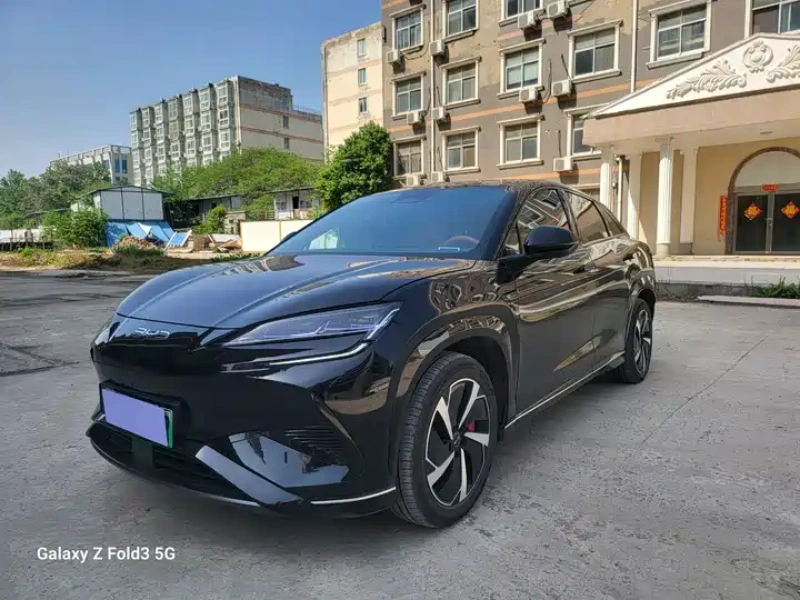
What Makes the BYD Blade Battery Different?
The Blade Battery uses Lithium Iron Phosphate (LFP) chemistry instead of the more common NMC chemistry. While LFP batteries generally have slightly lower energy density, they offer major advantages in safety, longevity, and thermal stability.
BYD’s Blade design further improves on traditional LFP batteries by using a cell-to-body (CTB) structure. The battery cells are arranged in a flat, blade-like format and integrated directly into the vehicle’s structure. This design improves both safety and structural rigidity.
Nail Penetration Test – The Gold Standard of Battery Safety
One of the most dramatic demonstrations of Blade Battery safety is the nail penetration test. In this test, a steel nail is driven through the battery cell while it is fully charged. Most NMC batteries will catch fire or explode under this test. The Blade Battery does not.
BYD has publicly demonstrated this test multiple times. The battery surface temperature rises but stays well below the threshold for thermal runaway. There is no fire, no smoke, and no explosion. This level of safety is extremely valuable during long ocean voyages and in regions with high ambient temperatures.
Thermal Stability in Hot Climates
Countries in Africa and the Middle East regularly experience ambient temperatures above 40°C, with some regions exceeding 50°C. These conditions put significant stress on EV batteries.
The Blade Battery has several advantages in high-temperature environments:
- Higher thermal runaway temperature threshold (LFP chemistry is inherently more stable)
- Better performance of the integrated thermal management system in the Sealion 7
- Lower risk of accelerated degradation even when the vehicle is parked in direct sunlight for long periods
- More stable performance during fast charging in hot weather
Real-world feedback from early Sealion 7 owners in hot regions shows that the battery maintains excellent efficiency and minimal degradation even after several months of operation in extreme heat.
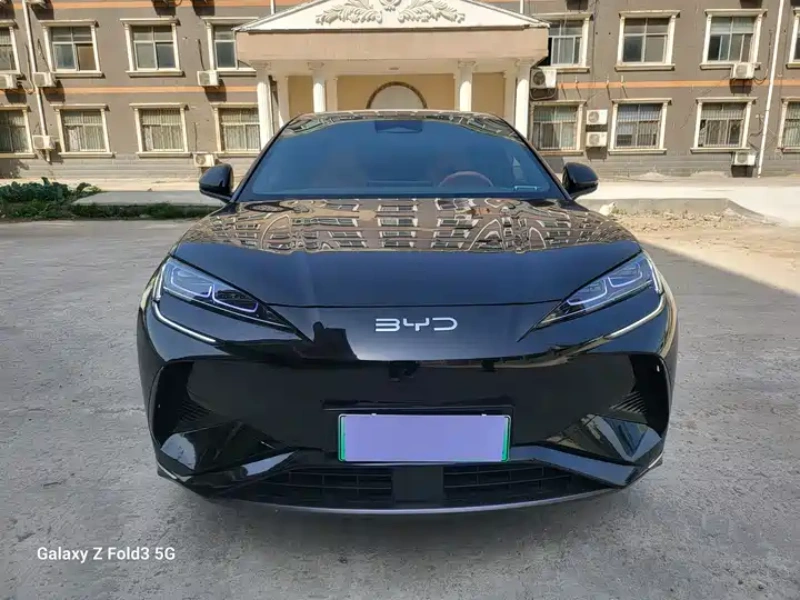
Battery Degradation in Hot Climates – What the Data Shows
All lithium-ion batteries degrade faster in high temperatures. However, the rate of degradation varies significantly between chemistries.
Studies and real-world data indicate that LFP batteries like the Blade Battery typically lose capacity much more slowly than NMC batteries when exposed to repeated high-temperature cycles. Many Sealion 7 and other BYD models with Blade Batteries are showing less than 5% degradation after 50,000–80,000 km even in hot climates.
This slower degradation rate directly translates to better long-term range retention and higher resale value — important considerations for export buyers who may keep the vehicle for 4–6 years or plan to resell it locally.
Advantages During Long-Distance Shipping
When exporting vehicles from China to Africa or South America, the journey can take 25–45 days by sea. During this time, containers can experience extreme temperature fluctuations, sometimes reaching very high internal temperatures.
The Blade Battery’s high thermal stability significantly reduces the risk of battery-related incidents during shipping. This is one reason why many exporters and shipping companies prefer LFP-based vehicles for long-haul ocean transport.
Additionally, because the Blade Battery is more resistant to thermal runaway, insurance companies sometimes offer more favorable rates for transporting BYD vehicles compared to NMC-based EVs.
Practical Benefits for Owners in Hot Countries
Beyond safety statistics, the Blade Battery delivers several practical advantages for daily use in hot climates:
- Better fast-charging performance in heat: The battery can maintain higher charging speeds even when ambient temperatures are high, with less need to throttle power to protect the cells.
- Lower risk of battery-related warnings or reduced performance: Owners in very hot regions report fewer instances of the vehicle limiting power or charging speed due to battery temperature.
- Longer calendar life: Even when the vehicle is parked for extended periods (common in some markets), the Blade Battery degrades more slowly than many competing batteries.
- Peace of mind: For fleet operators and ride-hailing businesses, the reduced fire risk and stable performance in extreme conditions are major operational advantages.
Comparison with NMC Batteries (Common in Tesla and Other EVs)
| Characteristic | BYD Blade Battery (LFP) | Typical NMC Battery |
|---|---|---|
| Thermal Runaway Temperature | Much higher (~270°C+) | Lower (~150–200°C) |
| Fire Risk in Nail Test | Does not catch fire | High risk |
| Degradation in Hot Climate | Slower | Faster |
| Calendar Life (Parked in Heat) | Better | More affected |
| Fast Charging in Hot Weather | More stable | Often throttled more |
Who Benefits Most from the Blade Battery?
The advantages of the Blade Battery are especially valuable for:
- Buyers in Africa, Middle East, India, Southeast Asia, and other hot climate regions
- Fleet operators (taxi, ride-hailing, corporate fleets) who need maximum uptime and safety
- Buyers planning long-term ownership (5+ years)
- Those concerned about battery safety during shipping and in extreme conditions
- Buyers who want lower long-term degradation and better resale value
Want to know more about Sealion 7 battery performance in your market?
Our team can provide real-world data and recommendations based on your destination country and usage pattern.
Conclusion
The BYD Blade Battery represents one of the most significant safety and durability advancements in current EV battery technology. For buyers exporting the Sealion 7 to hot climate regions, it offers meaningful advantages in safety during shipping, thermal stability in daily use, slower degradation over time, and greater peace of mind.
While NMC batteries still dominate in some premium segments due to higher energy density, the Blade Battery’s combination of safety, longevity, and real-world performance in harsh conditions makes it an excellent choice for most export buyers in Africa, the Middle East, and similar markets.
Get Expert Advice on Sealion 7 for Your Market
Contact us to discuss which configuration best suits your climate and usage requirements. We can also provide current battery health data from inspected units.
Speak with Our Export Team