BYD Sealion 7: Transport Condition Photo Checklist
For a remotely purchased Sealion 7, transport photographs should describe the vehicle at carrier handover. Marketing photographs taken weeks earlier serve a different purpose. Agree the evidence pack before shipment so the receiving person can compare condition, identify missing equipment and document a discrepancy promptly.
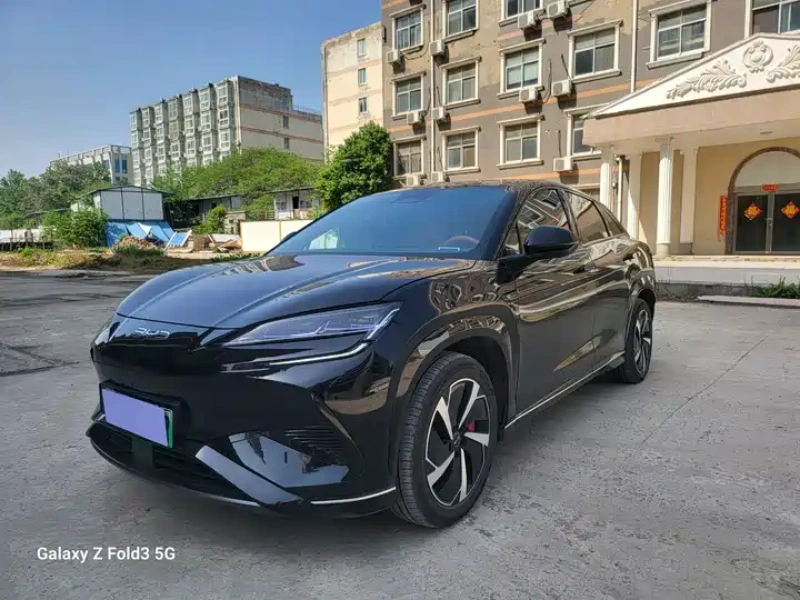
Capture vulnerable areas systematically
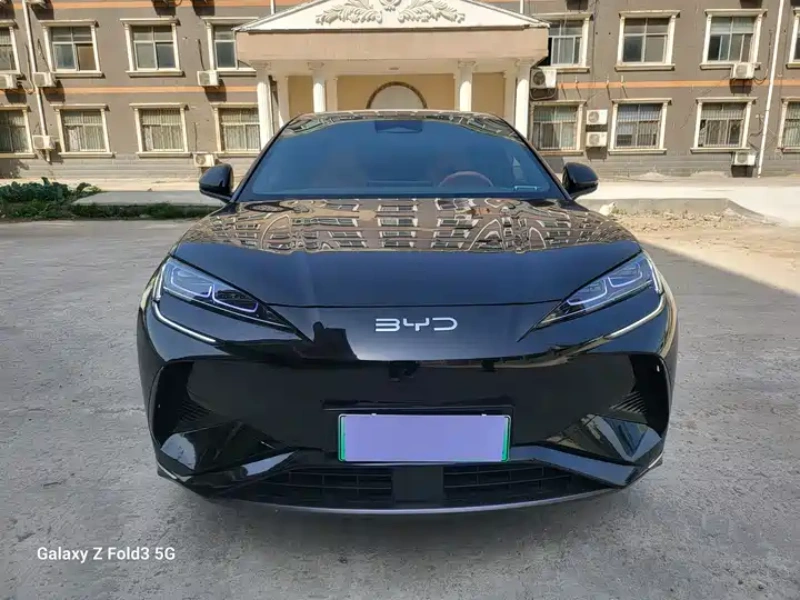
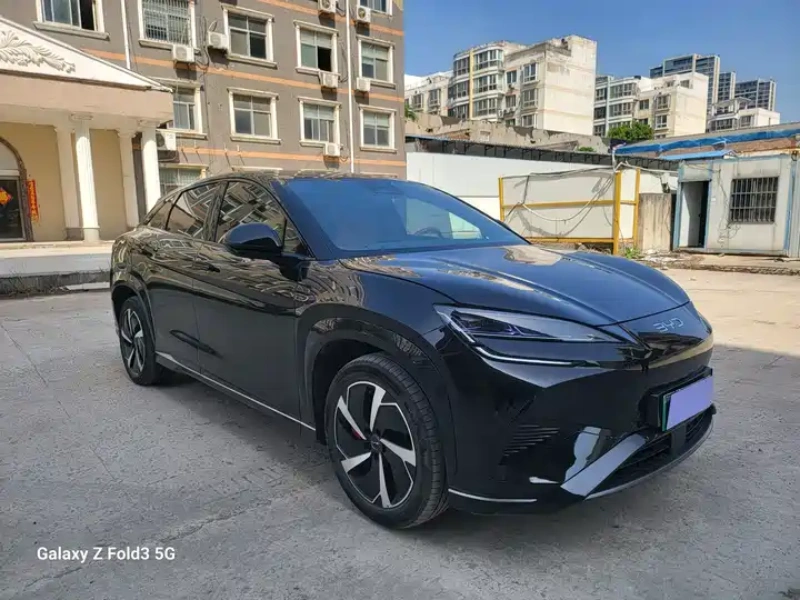
Photograph all corners, glass, roof, mirrors, wheel faces and lower bumper edges in clear light. Add close-ups of existing marks and a general view that locates each mark on the car. Include the VIN and odometer in the same session. For a battery-electric vehicle, record displayed warnings and charge level without pretending that these replace a technical battery inspection.
Keep inspection and transport records separate
The pre-purchase report explains why the buyer accepted the car. The handover record explains its condition when the carrier received it. Retain both with dates and responsible parties. If repairs were completed between those stages, include the updated result. Mixing old and new photographs makes it difficult to determine whether a visible defect was already agreed.
Inventory removable equipment
List keys, charging accessories, cargo covers and other included items separately. Photograph how they are secured and confirm the carrier's rules for carrying accessories. Do not place loose heavy equipment in the passenger compartment. The invoice and packing inventory should describe the same agreed contents, with any changes approved before loading.
Prepare the arrival comparison
Give the receiving person the relevant photographs and documents before the vehicle arrives. Record any discrepancy in the applicable handover paperwork and notify the responsible party according to the contract and coverage terms. Confirm those procedures beforehand. Insurance is not an automatic promise that every mark or missing item will be compensated.
Questions before buying
Can photographs replace an arrival inspection?
No. They provide a baseline for comparison. The receiver still needs to inspect the actual vehicle and contents.
What if the vehicle arrives with suspected battery impact?
Do not proceed with ordinary charging or use until a qualified professional has assessed the concern and advised the next steps.