BYD Sealion 7 Home Charging: 7 kW or 11 kW?
A useful home charging plan starts with where you park and how much energy you need overnight, not the largest number on a wallbox. The BYD UK June 2025 sheet lists 11 kW AC charging for its Sealion 7 versions, but that is not a promise for every China-market Sealion 07 EV or every household supply. Identify the car and obtain a qualified installation assessment before buying equipment.
| Check | What establishes the answer |
|---|---|
| Car AC limit | Applicable vehicle record, not DC headline |
| 7 kW or 11 kW | Compatible supply assessment and overnight energy needs |
| Higher-rated wallbox | Cannot exceed vehicle and installation limitations |
| Supplied accessories | Itemised separately from professional installation |
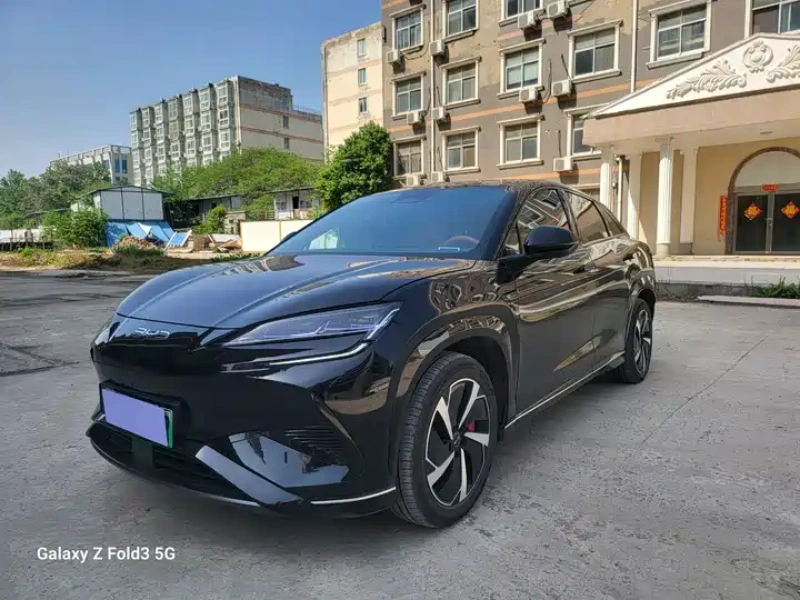
Confirm the car-side AC limit and connector
Ask for the applicable specification and inlet photographs for the actual vehicle. Distinguish AC charging through its on-board charger from DC rapid charging: a DC headline does not describe charging at home. Record the supported AC arrangement, original market and supplied cable. A wallbox label alone cannot prove communication or electrical compatibility. Do not assume a European connector, overseas charging kit or a higher AC limit because the car carries an internationally familiar name. Keep that evidence with the quotation.
Have the site and supply assessed professionally
A qualified local installer should assess the electrical supply, available phases, protection, cable route, load management and applicable installation requirements. Home charging is not a reason to improvise wiring, modify a socket or run an unsuitable extension lead. Access to three-phase supply may be a deciding factor for the proposed 11 kW arrangement; the property assessment, not the vehicle brochure, establishes what can be installed. Obtain the installed specification and limitations in writing, including any shared-building approval or landlord permission needed.
Related checks: BYD Sealion 7: Charging Equipment in Your Quote.
Choose around your overnight energy requirement
Estimate normal daily driving energy using a clearly stated consumption assumption and allow for charging losses. Divide the energy to replenish by an achievable AC power to obtain a rough planning time, then allow for schedules, load management and the vehicle reducing power. For example, 28 kWh divided by 7 kW is four hours before losses or interruptions; this is arithmetic, not a Sealion test result. If routine overnight access comfortably meets your needs, a higher-rated installation may add little practical value.
Do not confuse a 22 kW wallbox with a 22 kW car
Delivered AC power is limited by the compatible supply, installation, cable, charger and vehicle. An installation with a larger rating cannot make an 11 kW on-board charger accept 22 kW. Nor does an 11 kW label prove that rate on a different phase arrangement. Ask the installer and vehicle supplier to confirm the intended combination. Compare installed costs and future-use plans only after establishing compatibility, rather than buying excess capacity as a workaround for missing vehicle information.
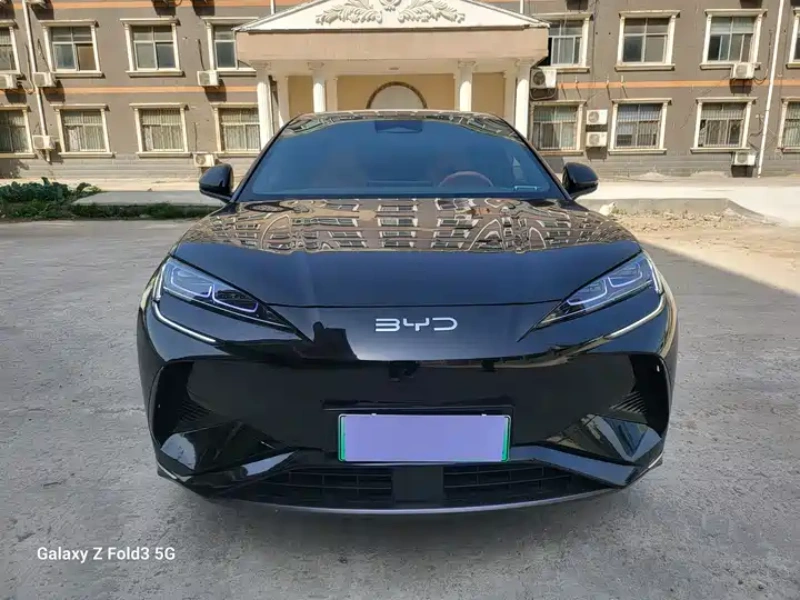
Agree charging access before the vehicle arrives
Check that the car can reach the charging point while parked normally and that cable placement will not create an unsafe obstruction. In shared parking, resolve assigned-bay access, authorisation and billing before relying on overnight availability. Separate vehicle accessories from property work in the purchase agreement: a supplied portable unit or cable is not an installed charging point. Ask who provides the equipment documentation and who accepts responsibility for installation. A transport quotation should not silently be treated as including electrical work.
Test the routine without depending on an unverified app
At handover, demonstrate a permitted AC session using compatible, professionally commissioned equipment. Record the displayed charging state, any schedule or limit and the agreed stopping procedure. Connected scheduling and remote access may depend on the original market and service account; verify those separately. A normal basic charging plan should not rely on an unproven imported app function. If charging fails or behaves unexpectedly, use the approved troubleshooting and qualified support rather than bypassing protections or applying an improvised adapter.
What to request before ordering
- Vehicle-specific AC rating, inlet and cable record.
- Qualified installation assessment and any parking permission.
- Daily energy and available overnight hours, with explicit assumptions.
- Itemised equipment and installation scope plus a demonstrated AC session.
Questions buyers ask
Will an 11 kW Sealion 7 always charge at 11 kW at home?
No. The achievable rate also depends on the supply, phase arrangement, installation, cable and vehicle conditions.
Is a 7 kW installation automatically insufficient?
No. Compare your daily energy requirement with the hours of dependable overnight access. Obtain a compatible installation plan first.
Can a supplied portable charger replace installation checks?
No. A qualified assessment and the applicable equipment instructions remain necessary; do not improvise electrical work.